
Jannik Sinner’s Wimbledon Triumph Signals a New Order in Men’s Tennis 

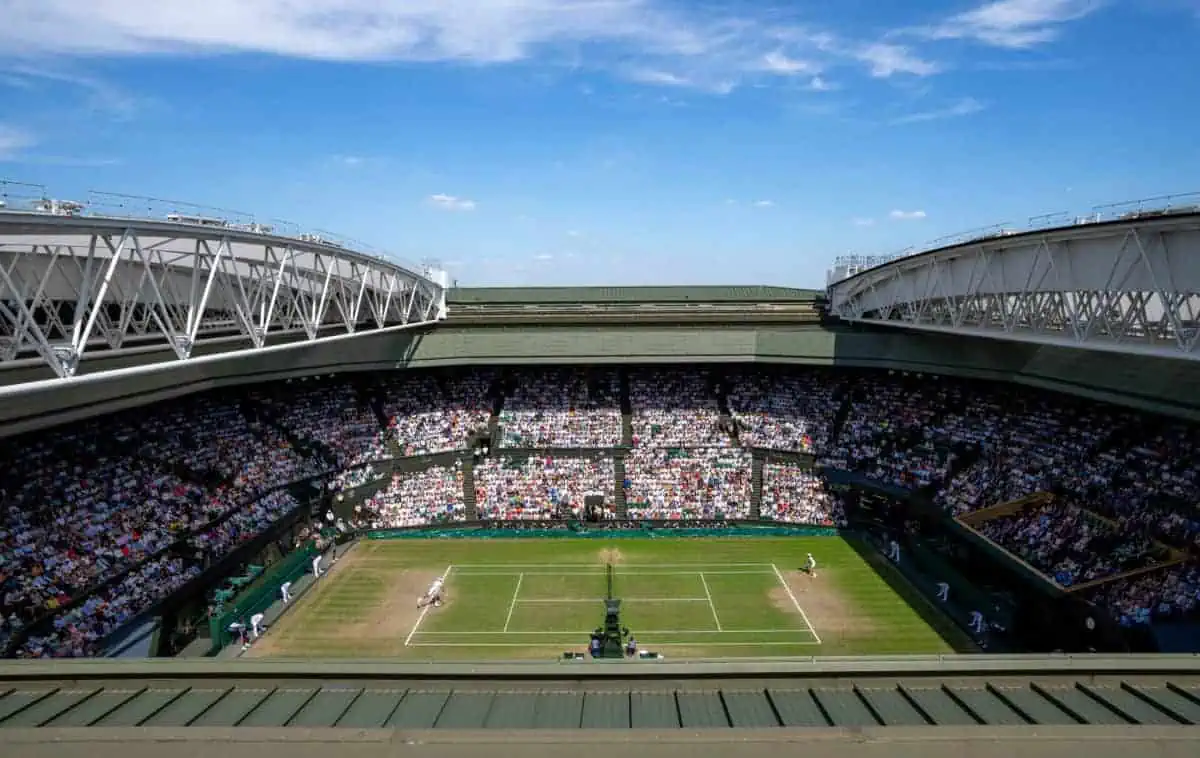
Wimbledon is done and dusted for another year, and after two thrilling weeks of world-class tennis, we have our new champions. Jannik Sinner battled back to defeat Carlos Alcaraz and claim his maiden Wimbledon title in a captivating final. On the women’s side, Iga Świątek secured her first Wimbledon crown, adding yet another Grand Slam to her growing legacy. 

Sinner Becomes a Wimbledon winner 

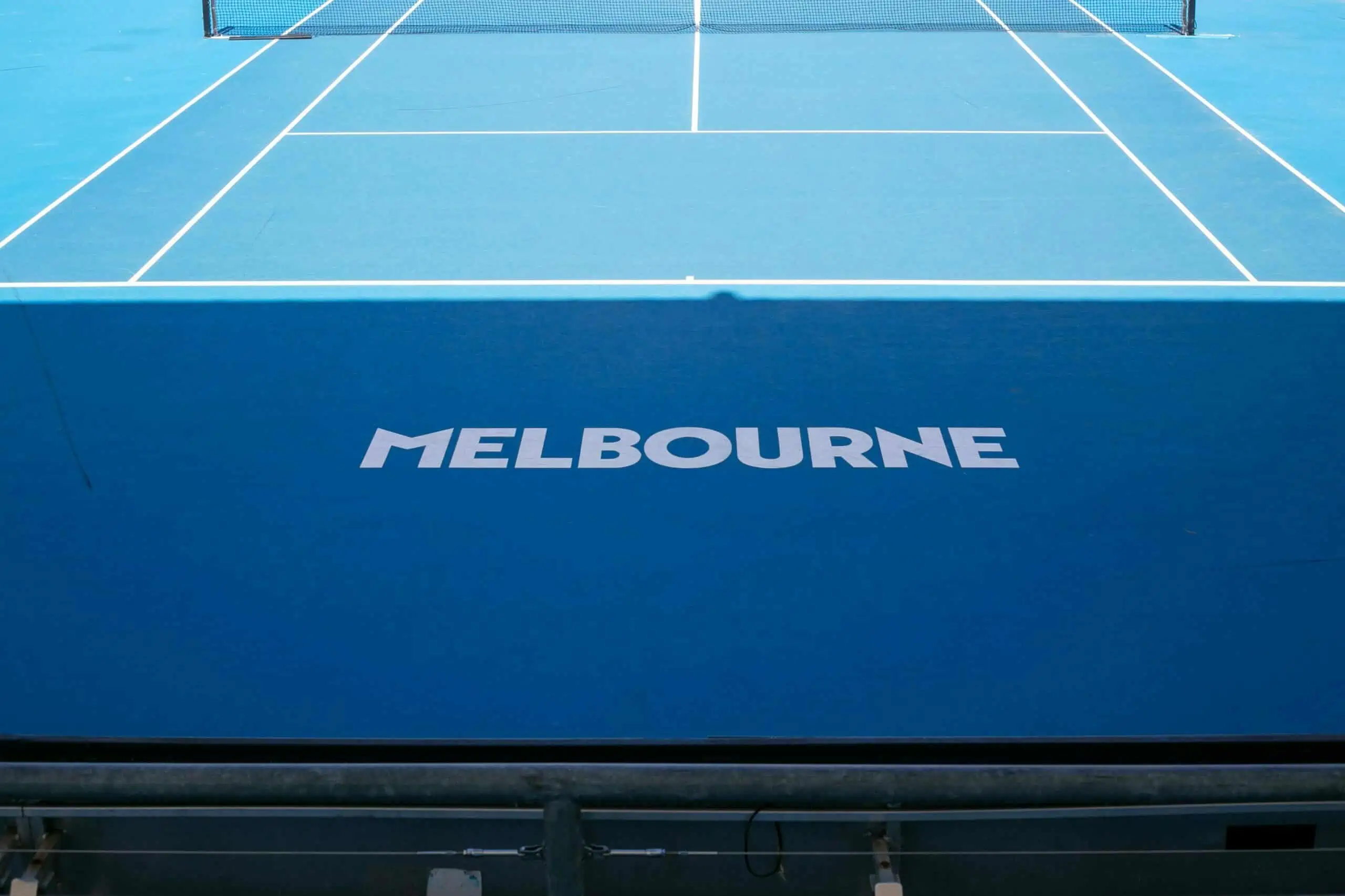
Jannik Sinner ended Carlos Alcaraz’s 20-match winning streak at Wimbledon to capture his first Championship title and fourth Grand Slam overall. After dropping the opening set, Sinner snapped his own five-match losing run against Alcaraz, rallying to win 4-6, 6-4, 6-4, 6-4. The match lasted three hours and four minutes and delivered quality from start to finish. The Italian gained a crucial edge in each of the final three sets, becoming the first Italian man in history to win Wimbledon. 

Looking ahead, Sinner now sets his sights on Roland-Garros next August, with a career Grand Slam firmly in his sights. 

With this marking the first Wimbledon final since 2002 without Djokovic, Federer, Nadal or Murray, and with the past seven Grand Slam titles shared between Sinner and Alcaraz, the future of men’s tennis looks bright, and in exceptionally talented hands. 

Świątek Makes History with Sixth Grand Slam Title

Wimbledon has a new name etched into its history books as Iga Świątek delivered a stunning 6-0, 6-0 victory in the women’s final. The Polish star needed just 57 minutes to overcome Amanda Anisimova, who struggled to find any rhythm and was plagued by unforced errors throughout. Remarkably, it’s the first time since 1911 that a Wimbledon final has ended with such a dominant scoreline. Świątek now claims her sixth Grand Slam title, adding to her four French Opens and one US Open, and will head into January’s Australian Open with the chance to complete a career Grand Slam.

Standout Moments of Wimbledon 2025 

Before the trophies were lifted, Wimbledon 2025 delivered plenty of headline-worthy drama. A staggering eight top-10 seeds were knocked out in the opening round, marking the largest opening-round seed exit ever at a Grand Slam in the Open Era. 

Cameron Norrie led the British charge with a spirited run to the quarter-finals. His campaign included a thrilling five-set win over Nicolás Jarry, showcasing his trademark grit and composure under pressure, although he was eventually stopped by Carlos Alcaraz. 

In the women’s draw, world No. 1 Aryna Sabalenka powered through the early rounds but was surprisingly knocked out in the semi-finals by Amanda Anisimova, in a match marked by tense momentum swings and off-court distractions. 

On the men’s side, Novak Djokovic’s quest for another Wimbledon title came to an end in the semi-finals, where he was edged out by an inspired Jannik Sinner in one of the tournament’s most gripping contests. Djokovic did, however, reach a milestone with his 100th Wimbledon match win, becoming only the second player in history to achieve this.

Enquire now for next year’s Wimbledon Championship. 

Formula 1 2026 Schedule: 24 Races, New Rules, and the Return of Madrid 

Formula 1 has announced a revamped race calendar for the 2026 FIA Formula One World Championship. Drivers and teams will take on another 24-round season, now accompanied by a new set of technical regulations and the introduction of 100% sustainable fuels. 

Alongside the sustainability push, Formula 1 has confirmed major changes to car design for 2026. The new generation of cars will be lighter and smaller, reducing both weight and overall dimensions to improve agility and racing dynamics. This adjustment aims to enhance close racing, make overtaking easier, and reduce the aerodynamic “dirty air” effect, all while supporting the sport’s drive toward greater efficiency and sustainability.

A major highlight is the debut of Madrid’s Ifema Circuit on 13th September, replacing Imola and marking F1’s return to the Spanish capital after 45 years. Nicknamed “Madring” the modern street circuit is designed to host over 110,000 spectators. The Madrid Grand Prix will be the final European race of the season before the championship moves on to Azerbaijan.

Barcelona will also feature on the calendar, scheduled for mid-June. However, 2026 will mark its final appearance under the current contract with Formula 1. 

Shanghai makes a long-anticipated return on 13th March at the Shanghai International Circuit, reintroducing Chinese fans to live Grand Prix action. Adding to the excitement, Audi, Cadillac, and Ford are set to join the Formula 1 grid in 2026, signaling a new era of competition and innovation.  

The 2026 season will also feature six Formula 1 Sprint races, with Shanghai and Miami retaining their slots, while the Canadian Grand Prix hosts its first-ever sprint in Montreal. Silverstone returns to the sprint schedule for the first time since 2021, with Zandvoort and Singapore also making their sprint debuts. The sprint format is a 100km race on Saturday, awarding points to the top eight drivers. This mix of established venues and exciting new additions ensures fans will enjoy more wheel-to-wheel action across the season.

In acknowledgment of Ramadan, Formula 1 has once again scheduled the Bahrain and Saudi Arabian Grands Prix for April. 

Mid-Season Rule Tweaks and the Road to 2027

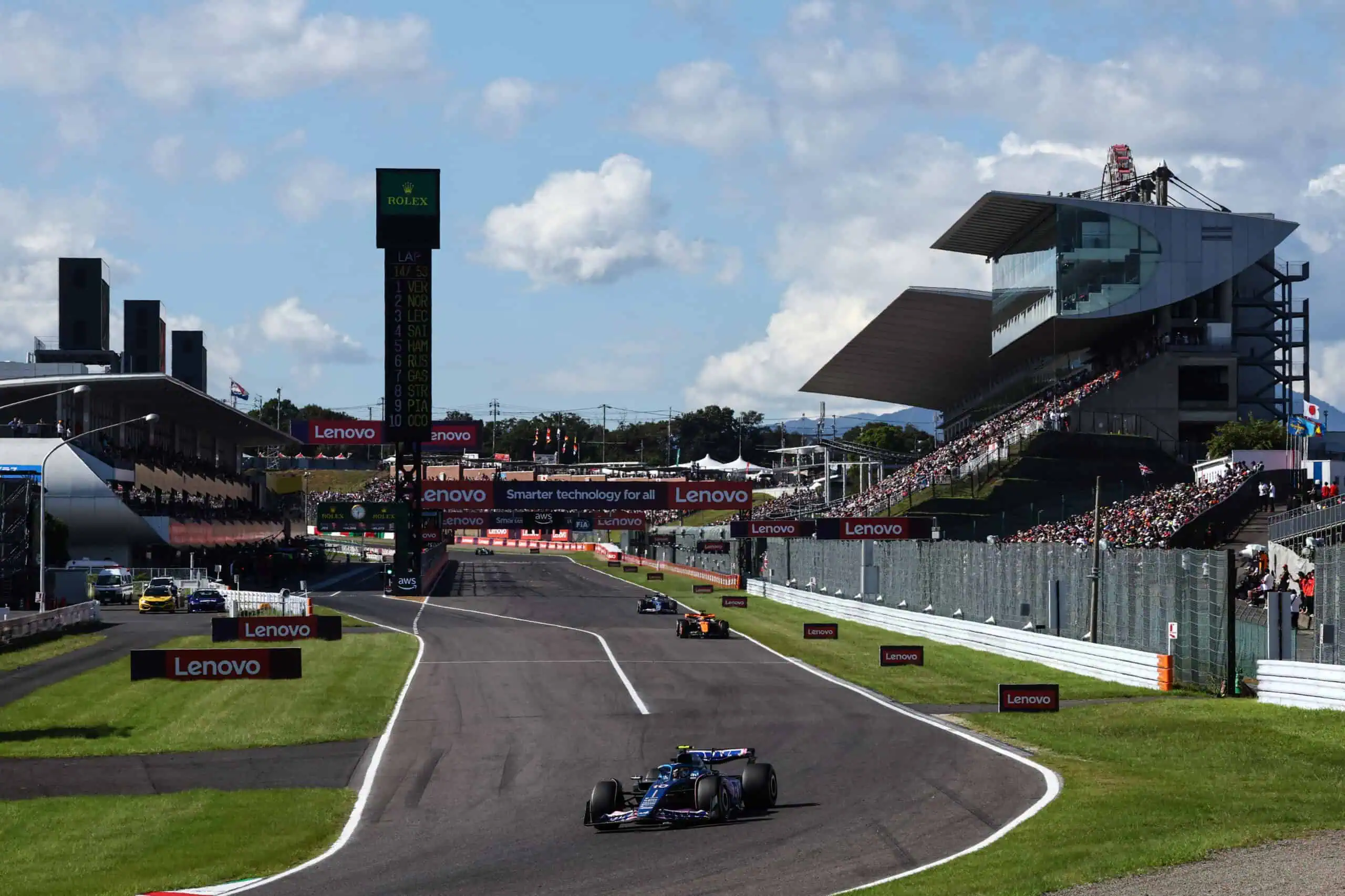
The 2026 season has not been without controversy on the technical front. Following feedback from the opening three rounds in Australia, China, and Japan, Formula 1 and the FIA agreed a package of regulatory refinements after a series of consultations involving team principals, power unit manufacturers, and extensive driver input, with changes implemented from the Miami Grand Prix onwards.

The adjustments centred on four key areas. The main focus was improving the qualifying spectacle, reducing the chances of dramatic closing speeds between cars, decreasing the likelihood of start-line collisions, and pre-empting issues teams could face in wet conditions.

One of the most discussed aspects of the new rules has been energy management. The changes include a reduction in maximum permitted recharge from 8MJ to 7MJ, aimed at reducing excessive harvesting and encouraging more consistent flat-out driving. The maximum power available through the Boost in race conditions is now capped at an extra 150kW, with MGU-K deployment maintained at 350kW in key acceleration zones but limited to 250kW in other parts of the lap, measures designed to reduce excessive closing speeds while maintaining overtaking opportunities.

A new safety system has also been introduced at the start line. A “low power start detection” system can identify cars with abnormally low acceleration shortly after clutch release, triggering an automatic MGU-K deployment to ensure a minimum level of acceleration and mitigate start-related risks, without introducing any sporting advantage. An associated visual warning system activates flashing lights on affected cars to alert following drivers.

Despite the changes, driver reaction remained mixed. Max Verstappen called the regulations “Formula E on steroids”, while reigning champion Lando Norris described the Miami tweaks as “a small step in the right direction, but not to the level that Formula 1 should still be at.”

A separate technical dispute emerged early in the season over engine compression ratios. The new engine rules set a compression ratio limit of 16:1, but rivals questioned whether Mercedes had engineered a way to comply when cold while exceeding that ratio at operating temperatures. The FIA reached a compromise: from 1 June 2026, the ratio is measured both cold and at 130°C, and from the 2027 season onwards, only the hot measurement will apply.

Looking further ahead, discussions around more significant power unit changes for 2027 have already begun. Ideas under consideration include shifting the power split from the current 50/50 balance between electric and combustion to a 60/40 ratio in favour of the internal combustion engine, with the goal of restoring the more natural driving feel that characterised the previous generation of cars.

However, the proposal failed to gain sufficient support from the required four out of five engine manufacturers, meaning any major revision to the power split is now more likely to be considered for 2028 rather than 2027. For the time being, 2027 will see regulations remain stable, with teams expected to evolve rather than overhaul their cars, and the pre-season testing programme returning to a single three-day test after the expanded schedule introduced for 2026.

Formula 1 2026 Calendar

Round 1 – Australia – March 6-8 

Round 2 – China – March 13-15 

Round 3 – Japan – March 27-29 

Round 4 – Bahrain – April 10-12 

Round 5 – Saudi Arabia – April 17-19 

Round 6 – USA – May 1-3 

Round 7 – Canada – May 22-24 

Round 8 – Monaco – June 5-7 

Round 9 – Spain – June 12-14 

Round 10 – Austria – June 26-28 

Round 11 – United Kingdom – July 3-5 

Round 12 – Belgium – July 17-19 

Round 13 – Hungary – July 24-26 

Round 14 – Netherlands – August 21-23 

Round 15 – Italy – September 4-6 

Round 16 – Spain – September 11-13 

Round 17 – Azerbaijan – September 25-27 

Round 18 – Singapore – October 9-11 

Round 19 – USA – October 23-25 

Round 20 – Mexico – October 30 – November 1 

Round 21 – Brazil – November 6-8 

Round 22 – USA – November 19 – 21 

Round 23 – Qatar – November 27-29 

Round 24 – Abu Dhabi – December 4-6 

Christmas Day Sporting Events

Here at Engage, we know how much you love your sport, just like we do. And if you’re looking for something to enjoy while your Christmas dinner settles, here’s your rundown of all the sporting action happening around the world on Christmas Day 2025. 

In the UK, traditional Christmas Day fixtures have long faded into history. The last English football match on December 25 was played back in 1965, with Scotland following suit in the 1970s. Nowadays, Boxing Day has become the main stage for festive sport, leaving Christmas Day free for family time, unless you’re watching from abroad. 

But across the Atlantic and Down Under, there’s still plenty of Christmas action to keep you entertained. 

NBA

The NBA’s Christmas Day schedule once again features some of the league’s biggest names and fiercest rivalries. The 2025 slate includes New York Knicks vs Cleveland Cavaliers, alongside headline fixtures like Oklahoma City Thunder vs San Antonio Spurs and Golden State Warriors vs Dallas Mavericks. 

Tip-off for the first game begins around 5 pm GMT, making for the perfect festive afternoon viewing in the UK. You can find the full list of fixtures via the official NBA key dates page

NFL

The NFL also joins the Christmas Day lineup with two huge regular-season games. According to the official 2025 NFL schedule, the day will feature Washington Commanders vs Dallas Cowboys followed by Minnesota Vikings v Detroit Lions, with kick-offs set for 6 pm GMT and 9.30 pm GMT respectively. 

Cricket

For the night owls, the Fourth Test of The Ashes begins late on Christmas Day UK time. As reported by Sky Sports, England face Australia at the Melbourne Cricket Ground, starting at 11.30 pm GMT. With the series poised at a crucial stage, this match could prove decisive in England’s bid to reclaim the urn for the first time Down Under since 2010/11, led by Ben Stokes and a new-look squad hungry for redemption. 

If you’re looking to experience the Ashes in 2027, enquire now and we’ll be in touch with further details in due course.

Football over the Festive Period 

This Christmas brings a slight change to one of the game’s oldest traditions, with just one Premier League fixture scheduled for Boxing Day 2025. The honour falls to Manchester United vs Newcastle United at Old Trafford, kicking off at 20:00 GMT. While this is a departure from the usual full day of action, it promises to be a blockbuster clash between two sides with European ambitions. 

The Premier League’s decision to scale back Boxing Day fixtures is due to the “expansion” of European competitions, meaning the rest of the week’s matches will instead take place over the weekend (27–28 December). For those wanting to experience the festive atmosphere first-hand, Engage Hospitality offers premium packages across top Premier League venues.  

Everton v Arsenal – 20th December 

Tottenham Hotspur v Liverpool – 20th December 

Aston Villa v Manchester United – 21st December 

Fulham v Nottingham Forest – 22nd December 

Arsenal v Brighton – 27th December  

Liverpool v Wolves – 27th December 

Arsenal v Aston Villa – 30th December   

Darts 

No British Christmas sporting calendar would be complete without the PDC World Darts Championship at Alexandra Palace, a staple of festive entertainment. The tournament runs from 11th December 2025 to 3rd January 2026, with plenty of drama, walk-ons, and world-class arrows to enjoy over the holidays. 

While there are no matches on Christmas Day itself, the action resumes on Boxing Day, making it a perfect way to unwind after a festive feast. Fans can expect electric crowds, colourful fancy dress, and the best players in the world, including reigning champion Luke Littler, as he looks to defend his title on home soil. 

Howden Christmas Racing Weekend – Ascot  

For the horse racing fans, the Howden Christmas Racing Weekend at Ascot provides one of the most atmospheric race days of the season. Taking place on the 19th and 20th December 2025, the event combines high-quality National Hunt racing with festive cheer, live entertainment, and seasonal food and drink. It’s a highlight for both racing enthusiasts and those seeking a stylish pre-Christmas day out. 

Click here for more information

int(174)