



Formula 1 2026 Schedule: 24 Races, New Rules, and the Return of Madrid

Formula 1 has announced a revamped race calendar for the 2026 FIA Formula One World Championship. Drivers and teams will take on another 24-round season, now accompanied by a new set of technical regulations and the introduction of 100% sustainable fuels.
Alongside the sustainability push, Formula 1 has confirmed major changes to car design for 2026. The new generation of cars will be lighter and smaller, reducing both weight and overall dimensions to improve agility and racing dynamics. This adjustment aims to enhance close racing, make overtaking easier, and reduce the aerodynamic “dirty air” effect, all while supporting the sport’s drive toward greater efficiency and sustainability.
A major highlight is the debut of Madrid’s Ifema Circuit on 13th September, replacing Imola and marking F1’s return to the Spanish capital after 45 years. Nicknamed “Madring” the modern street circuit is designed to host over 110,000 spectators. The Madrid Grand Prix will be the final European race of the season before the championship moves on to Azerbaijan.
Barcelona will also feature on the calendar, scheduled for mid-June. However, 2026 will mark its final appearance under the current contract with Formula 1.
Shanghai makes a long-anticipated return on 13th March at the Shanghai International Circuit, reintroducing Chinese fans to live Grand Prix action. Adding to the excitement, Audi, Cadillac, and Ford are set to join the Formula 1 grid in 2026, signaling a new era of competition and innovation.
The 2026 season will also feature six Formula 1 Sprint races, with Shanghai and Miami retaining their slots, while the Canadian Grand Prix hosts its first-ever sprint in Montreal. Silverstone returns to the sprint schedule for the first time since 2021, with Zandvoort and Singapore also making their sprint debuts. The sprint format is a 100km race on Saturday, awarding points to the top eight drivers. This mix of established venues and exciting new additions ensures fans will enjoy more wheel-to-wheel action across the season.
In acknowledgment of Ramadan, Formula 1 has once again scheduled the Bahrain and Saudi Arabian Grands Prix for April.
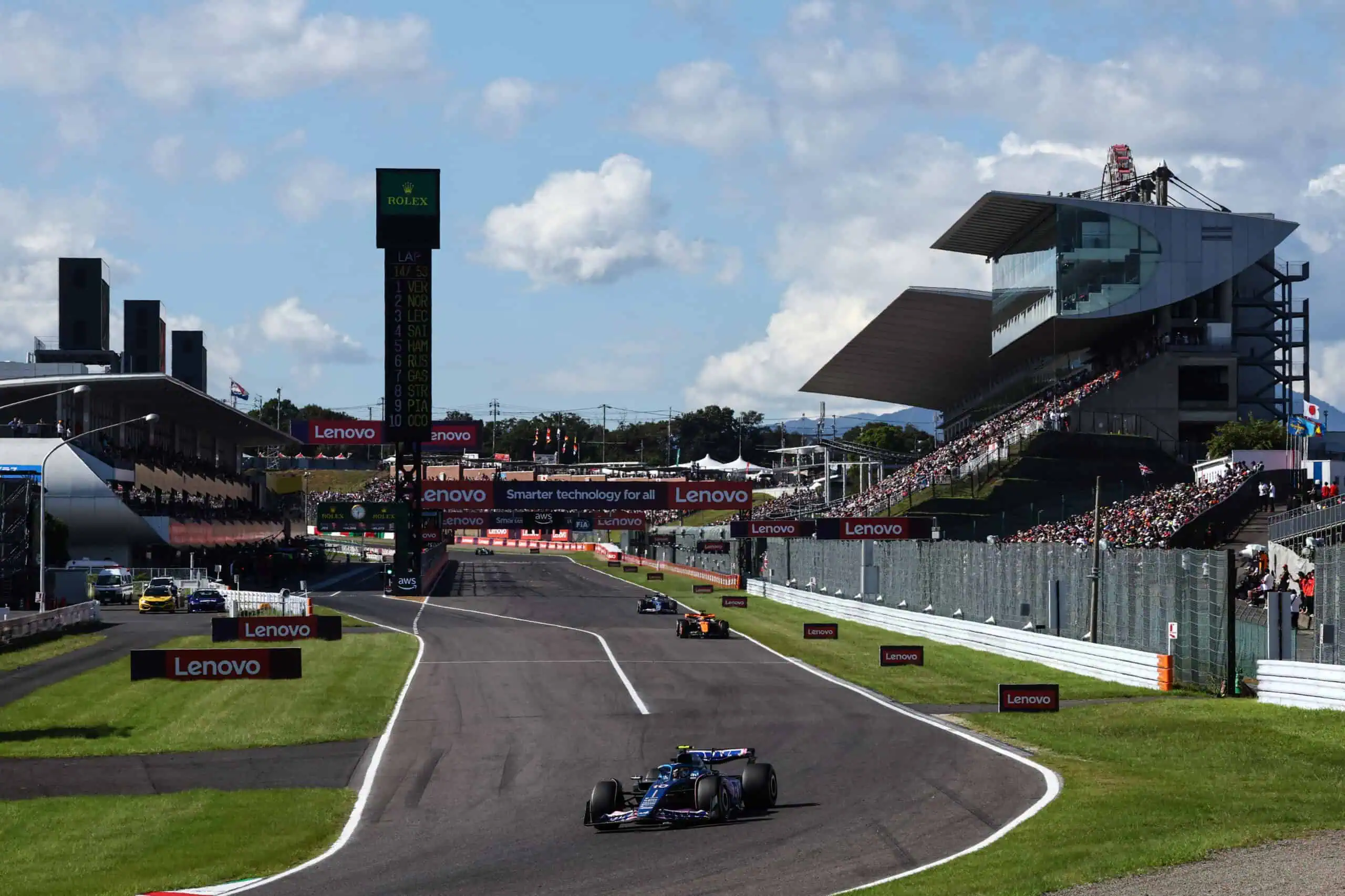
Formula 1 2026 Season
Mid-Season Rule Tweaks and the Road to 2027
The 2026 season has not been without controversy on the technical front. Following feedback from the opening three rounds in Australia, China, and Japan, Formula 1 and the FIA agreed a package of regulatory refinements after a series of consultations involving team principals, power unit manufacturers, and extensive driver input, with changes implemented from the Miami Grand Prix onwards.
The adjustments centred on four key areas. The main focus was improving the qualifying spectacle, reducing the chances of dramatic closing speeds between cars, decreasing the likelihood of start-line collisions, and pre-empting issues teams could face in wet conditions.
One of the most discussed aspects of the new rules has been energy management. The changes include a reduction in maximum permitted recharge from 8MJ to 7MJ, aimed at reducing excessive harvesting and encouraging more consistent flat-out driving. The maximum power available through the Boost in race conditions is now capped at an extra 150kW, with MGU-K deployment maintained at 350kW in key acceleration zones but limited to 250kW in other parts of the lap, measures designed to reduce excessive closing speeds while maintaining overtaking opportunities.
A new safety system has also been introduced at the start line. A “low power start detection” system can identify cars with abnormally low acceleration shortly after clutch release, triggering an automatic MGU-K deployment to ensure a minimum level of acceleration and mitigate start-related risks, without introducing any sporting advantage. An associated visual warning system activates flashing lights on affected cars to alert following drivers.
Despite the changes, driver reaction remained mixed. Max Verstappen called the regulations “Formula E on steroids”, while reigning champion Lando Norris described the Miami tweaks as “a small step in the right direction, but not to the level that Formula 1 should still be at.”
A separate technical dispute emerged early in the season over engine compression ratios. The new engine rules set a compression ratio limit of 16:1, but rivals questioned whether Mercedes had engineered a way to comply when cold while exceeding that ratio at operating temperatures. The FIA reached a compromise: from 1 June 2026, the ratio is measured both cold and at 130°C, and from the 2027 season onwards, only the hot measurement will apply.
Looking further ahead, discussions around more significant power unit changes for 2027 have already begun. Ideas under consideration include shifting the power split from the current 50/50 balance between electric and combustion to a 60/40 ratio in favour of the internal combustion engine, with the goal of restoring the more natural driving feel that characterised the previous generation of cars.
However, the proposal failed to gain sufficient support from the required four out of five engine manufacturers, meaning any major revision to the power split is now more likely to be considered for 2028 rather than 2027. For the time being, 2027 will see regulations remain stable, with teams expected to evolve rather than overhaul their cars, and the pre-season testing programme returning to a single three-day test after the expanded schedule introduced for 2026.
Formula 1 2026 Calendar
Round 1 – Australia – March 6-8
Round 4 – Bahrain – April 10-12
Round 5 – Saudi Arabia – April 17-19
Round 10 – Austria – June 26-28
Round 11 – United Kingdom – July 3-5
Round 12 – Belgium – July 17-19
Round 13 – Hungary – July 24-26
Round 14 – Netherlands – August 21-23
Round 15 – Italy – September 4-6
Round 16 – Spain – September 11-13
Round 17 – Azerbaijan – September 25-27
Round 18 – Singapore – October 9-11
Round 19 – USA – October 23-25
Round 20 – Mexico – October 30 – November 1
Round 21 – Brazil – November 6-8
Round 22 – USA – November 19 – 21
Related posts
 All Posts
