ClickCease

2026 Six Nations Review: France Retain Title in Record-Breaking Championship 

The 2026 Guinness Men’s Six Nations concluded with a finale that underscored the shifting landscape of Northern Hemisphere rugby. While France secured back-to-back titles for the first time in nearly two decades, the tournament will likely be remembered for a historic surge in point-scoring and a radical shake-up in the middle of the table. 

From Italy’s continued ascent to England’s tactical identity crisis, the 2026 campaign offered more than just a trophy presentation; it provided a roadmap for the current World Cup cycle. 

France: Champions by the Narrowest of Margins 

France entered the final round in Paris needing a victory against England to leapfrog Ireland and retain their crown. They achieved it, winning 48-46, but the victory revealed as many questions as answers for Fabien Galthié’s side. 

The French attack remains the most potent in world rugby. Led by the clinical finishing of Louis Bielle-Biarrey, who cemented his status as a world-class talent during this window, Les Bleus averaged over 35 points per game. However, their defensive structure showed uncharacteristic cracks. Conceding 46 points at home in the decider followed a pattern of high-scoring, high-risk rugby that nearly cost them the championship. 

Ultimately, the title was decided by the boot of Thomas Ramos. His 82nd-minute penalty was a display of pure temperament, securing the four points needed to deny Ireland. France are champions again, but their reliance on individual brilliance over defensive solidity suggests a team still searching for its perfect balance. 

England’s Performance: A Final Flourish in a Difficult Campaign 

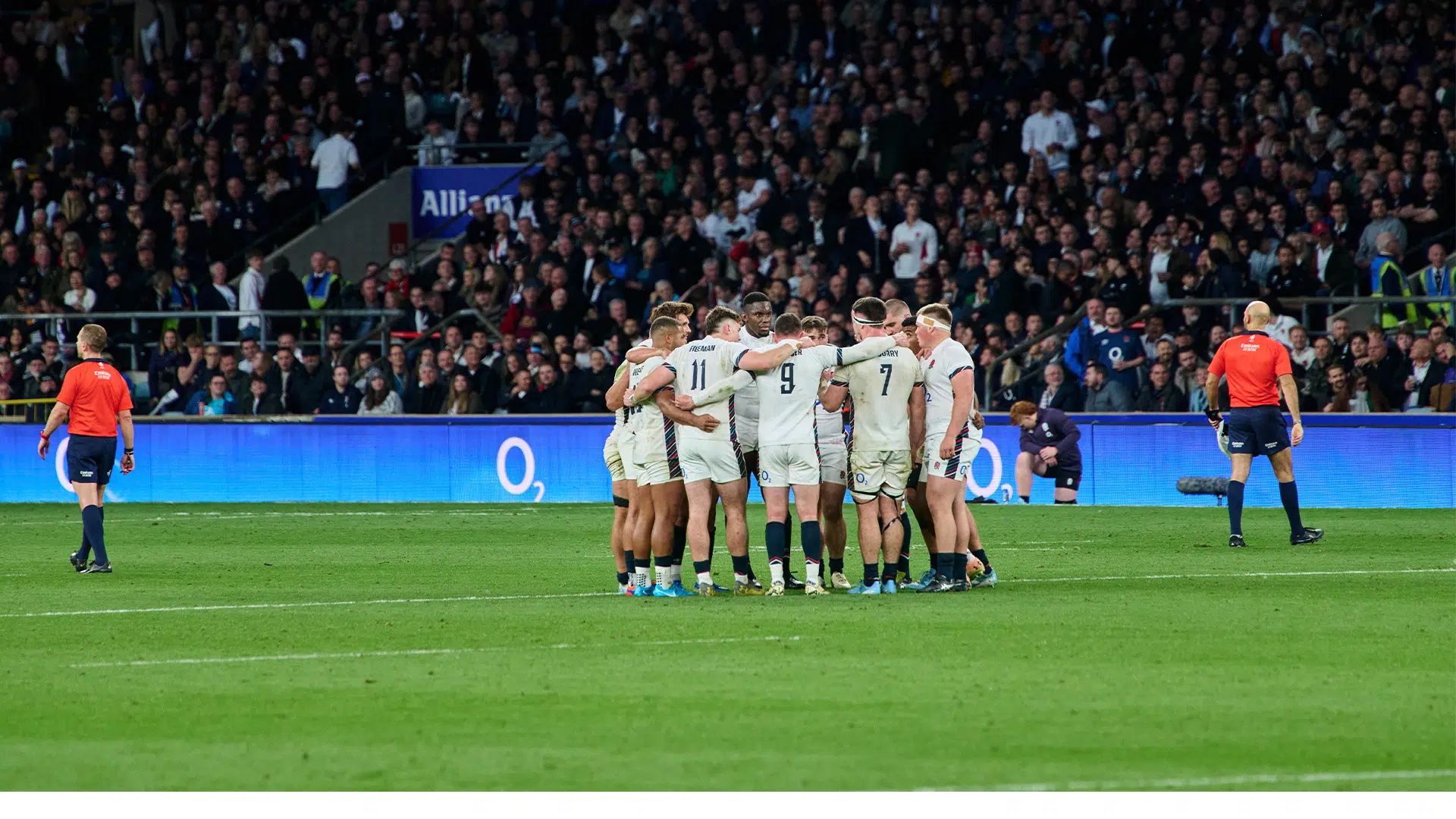
For England, the 2026 Six Nations was a tournament of two halves. Finishing in 5th place, their lowest-ever standing in the professional era, is a statistic that Steve Borthwick will find difficult to ignore. The campaign included a historic loss to Italy and a lack of cohesion that drew heavy criticism from fans and pundits alike. 

However, the performance in Paris during the final round offered a glimpse of a potential tactical evolution. England abandoned their conservative, kick-heavy approach for a more expansive game plan. They crossed the whitewash six times against the French, with Ollie Chessum and Tommy Freeman proving that England possesses the personnel to compete in high-scoring shootouts. 

Key England Takeaways: 

Discipline: England’s 1-4 record was heavily influenced by poor discipline, including eight yellow cards across the tournament

Attack vs. Result: While the 46 points scored in Paris was a record for an England side in France, it resulted in zero log points. 

The Borthwick Era: The pressure on coaching staff remains high. A single high-scoring loss cannot mask the reality of a 5th-place finish. 

Talking Points from “Super Saturday” 2026 

The final round of the 2026 Six Nations broke the record for the most tries scored in a single day of the Championship. Here are the primary talking points from the weekend: 

1. Ireland’s Triple Crown and Consistency 

Ireland did their part with a professional 43-21 win over Scotland in Dublin. While they fell short of the title due to the result in Paris, Andy Farrell’s side remains the most consistent outfit in the competition. Caelan Doris led from the front, and the Irish set-piece remains the gold standard. They leave the tournament with a Triple Crown and the knowledge that they were arguably only three minutes away from a title defence of their own. 

2. The End of the Welsh Drought 

In Cardiff, Wales finally halted a 15-game losing streak with a 31-14 victory over Italy. It was a vital result for Warren Gatland, avoiding the “Wooden Spoon” and providing some breathing room for a young squad. Aaron Wainwright was the standout performer, providing the physical edge that Wales had lacked in previous rounds. 

3. Italy: No Longer the Underdogs 

Despite their loss in Cardiff, Italy’s 2026 campaign was a success. Their win over England earlier in the month was no fluke. Under their current coaching structure, Italy has developed a resilient defensive line and a creative midfield anchored by Tommaso Menoncello. They are no longer a “guaranteed win” for the established powers, a shift that has fundamentally changed the tournament’s math. 

4. The Defensive Crisis? 

A major talking point throughout the final round was the apparent decline of defensive systems. With 29 tries scored across three matches, questions are being asked if the current laws favour the attack too heavily, or if fatigue at the end of a grueling season is simply taking its toll. 

2026 Six Nations Final Standings 

TeamPlayedWonLost
France541
Ireland541
Scotland532
Italy523
England514
Wales514

Looking Ahead to Nations Championship 2026 and Guinness Men’s Six Nations 2027 

The 2026 Guinness Men’s Six Nations proved that the gap between the top and bottom of the table has narrowed significantly. France and Ireland remain the “Big Two,” but the resurgence of Italy and the offensive potential shown by England and Wales suggests that the 2027 Championship will be wide open. 

For France, the challenge is now defensive refinement. For England, it is turning “moral victories” into actual ones. 

2026 Guinness Men’s Six Nations:

Why Book Now? 

Our ICON hospitality in Rugby House and our exclusive hospitality offer the definitive matchday experience. From four-course gourmet dining and complimentary bars (including Guinness, Nyetimber, and premium spirits) to Q&As with rugby legends, we ensure your day at Allianz Stadium is unforgettable. 

Explore our 2027 Guinness Men’s Six Nations Hospitality Packages and secure your priority access today. 

Nations Championship Fixtures

Book ICON for the 2026 Nations Championship now and experience England taking on rugby’s biggest nations in style. From gourmet dining and complimentary bars to unrivalled views of the action, Engage guarantees an unforgettable day of sport and sophistication. 

Does England Have the Easiest Route to the 2027 Men’s Rugby World Cup Final? 

With the draw for the 2027 Men’s Rugby World Cup in Australia now confirmed, talk has switched from “Who’s hosting?” to “Who can win it?” For England fans, and rugby followers in general, the big question is whether the Red Rose has been handed a “golden ticket”, a favourable path that avoids the traditional “Group of Death” pitfalls.

After a period of rebuilding under Steve Borthwick, England enters the 2027 competition with a blend of emerging talent like Henry Pollock and Tom Roebuck, alongside the veteran leadership of Maro Itoje. But as any rugby fan knows, navigating a World Cup isn’t just about strength on paper; it’s about handling pressure, adapting to different styles, and peaking during a grueling seven-week campaign.

Let’s break down England’s pool, their potential knockout opponents, and just how “easy” this route actually is.

England’s Pool Stage: A Competitive but Navigable Group

England has been drawn into Pool F, a group that presents a blend of danger and opportunity. They are joined by Wales, Tonga, and Zimbabwe.

On paper, they have successfully avoided the “Big Three” (South Africa, New Zealand, and France) in this phase. This provides a realistic chance of topping the group while building the kind of momentum that was missing in previous cycles.

  • Tonga (Oct 2, Brisbane): A bruising opener. While England is historically dominant against the ‘Ikale Tahi, the Pacific Islanders always demand a high “physical tax.”
  • Zimbabwe (Oct 8, Adelaide): The underdogs of the group. This fixture should allow Borthwick to manage his squad’s minutes and test his depth.
  • Wales (Oct 16, Sydney): The marquee clash. Despite the history, England enters this with massive confidence following their 48-7 victory over Wales in the 2026 Six Nations.

Compared with Pool D (where Ireland and Scotland face a brutal fight for survival), England’s group looks relatively manageable. It provides the perfect platform to establish intensity ahead of the knockouts.

The Round of 16 and Quarter-Final Projections

The 2027 tournament introduces a Round of 16, adding an extra layer of “win-or-go-home” tension. One distinct advantage England possesses is the potential to avoid the toughest sides until the very final stages.

If England wins Pool F, they are scheduled to play the Runner-up of Pool B on October 24 in Perth. Pool B contains the defending champions South Africa, Italy, and Georgia. Unless there is a massive upset, England is likely to face Italy or Georgia. While both have improved significantly, they are opponents England would expect to beat comfortably to reach the final eight.

The Quarter-Final (Oct 31, Sydney) is where the tournament is truly won or lost. If seeds hold, England could avoid the All Blacks and Springboks entirely at this stage, potentially facing a “Runner-up” from Pool A or E, nations like Australia or Japan. While the Wallabies on home soil are never an easy out, they are a far more desirable opponent than the French at the Stade de France. 

Potential Semi-Final Scenarios

Reaching the semi-finals is the ultimate test of depth. At this stage (Nov 5/6), the “relative” ease of the draw ends. England’s likely opponents here include traditional powerhouses like Ireland or a resurgent Argentina.

These fixtures are often defined by tactical nuance and “championship minutes.” However, the strategic benefit for England is that they may arrive at this semi-final fresher than their opponents. If Ireland has had to fight through a “Pool of Death” and a Quarter-Final against New Zealand, England’s path will have been objectively less draining.

Comparisons With Other Contenders: Is it a “Gift”?

To assess whether England truly has an “easy” run, context matters.

  • The Heavyweight Cannibalism: Teams like New Zealand and South Africa are on a collision course to meet as early as the Quarter-Finals. One of the world’s best will be gone before the semi-finals even begin.
  • The Dark Horses: Countries like Fiji and Portugal proved in 2023 that they can reshape the bracket. England must remain wary; a slip-up in the pool could see them fall into the “hard” side of the draw, facing the Springboks prematurely.

In this context, England’s pathway looks balanced rather than gifted. Unlike a scenario where a team faces multiple former champions early on, England’s route doesn’t demand repeated “peak” performances against the very best until the final two weekends.

Looking Ahead: Secure Your 2027 Guinness Men’s Six Nations Hospitality 

While the 2026 drama is still unfolding, the demand for rugby’s greatest championship means that planning for the future is essential. Engage is delighted to announce that official hospitality for the 2027 Guinness Men’s Six Nations is now on sale. 

Next year, England will host three blockbuster fixtures at Allianz Stadium, including: 

Why Book Now? 

Our ICON hospitality in Rugby House and our exclusive hospitality offer the definitive matchday experience. From four-course gourmet dining and complimentary bars (including Guinness, Nyetimber, and premium spirits) to Q&As with rugby legends, we ensure your day at Allianz Stadium is unforgettable. 

Explore our 2027 Guinness Men’s Six Nations Hospitality Packages and secure your priority access today. 

Nations Championship Fixtures

Book ICON for the 2026 Nations Championship now and experience England taking on rugby’s biggest nations in style. From gourmet dining and complimentary bars to unrivalled views of the action, Engage guarantees an unforgettable day of sport and sophistication. 

Final Thoughts

No route to a Rugby World Cup final is truly “easy,” but England’s draw for 2027 is undeniably favourable. With a group that avoids immediate heavyweight clashes and a bracket that keeps the “Big Three” at arm’s length, the Red Rose has every reason to be confident.

If England can navigate their path smartly, manage their injuries, and maintain the clinical edge they showed in 2025, we may well see them lifting the Webb Ellis Cup in Sydney on November 13.

The 2026 Guinness Men’s Six Nations: Mid-Championship Report & The Road to 2027 

We have reached the “Super Saturday” of the mid-championship break, and the 2026 Guinness Men’s Six Nations has already lived up to its billing as the most unpredictable tournament in world rugby. From record-breaking margins at the newly-named, Allianz Stadium to the hostile atmospheres of Murrayfield, the narrative of this year’s championship is one of shifting power and clinical execution. 

As England navigates a campaign of dizzying highs and tactical lessons, all eyes are turning to the final weeks of the tournament. In this blog, we recap England’s journey so far, analyse the French juggernaut, and look ahead to how you can secure your place for the 2027 Championship. 

England vs. Wales: A Statement Opener 

England’s 2026 campaign began with a ruthless display of intent. Hosting Wales at Allianz Stadium on February 7, Steve Borthwick’s side produced one of their most complete performances in recent memory, securing a 48-7 victory

The match was defined by the “Arundell Blitz.” Young winger Henry Arundell was in scintillating form, crossing for a hat-trick before the 30-minute mark. With George Ford pulling the strings at fly-half, England exploited Welsh ill-discipline, which saw the visitors down to 13 men at one stage, to secure the bonus point before halftime. It was a performance that suggested England were the team to beat, blending defensive grit with an expansive, clinical attacking game. 

England vs. Scotland: The Calcutta Cup Heartbreak 

The momentum from the opening weekend hit a significant roadblock in Round 2. Traveling to Edinburgh on February 14, England faced a Scotland side inspired by a raucous Murrayfield crowd and the tactical brilliance of Finn Russell

Despite tries from Arundell and Ben Earl, England struggled to contain Scotland’s blistering pace, eventually falling to a 31-20 defeat. The loss of the Calcutta Cup was a bitter pill to swallow, particularly as England’s discipline wavered under the high-pressure Scottish assault. While a late fightback showed character, the result reminded everyone that in the Six Nations, no lead is safe and no victory is guaranteed on the road. 

England vs Ireland: The Twickenham Stunner 

Round 3 saw Ireland silence Twickenham with a performance of terrifying fluency. Any talk of an “ageing” Irish side was put to bed within 30 minutes as they raced to a 22-0 lead. Jamison Gibson-Park was the conductor of the mayhem, using a quick-tap penalty to catch the English defence sleeping for the opening try. 

England struggled to deal with the Irish physical battle, falling victim to a blitz of tries from Robert Baloucoune, Tommy O’Brien, and Dan Sheehan. Although Fraser Dingwall and Sam Underhill crossed the whitewash to offer some respectability to the scoreline, it was an embarrassing afternoon for the Red Rose, falling to a 21-42 defeat. Ireland’s ability to rip the English defence to shreds at will left Borthwick searching for answers as the team heads into the fallow week before facing Italy. 

The French Resurgence: Hunting the Grand Slam 

While the other nations have traded blows, France has been the picture of consistency. Standing at 3-0 after the first three rounds, Les Bleus look like a team operating on a different tactical plane. 

Why is France doing so well? 

Physical Dominance: The French pack, led by the likes of Emmanuel Meafou, has bullied every opposition so far, providing the perfect platform for their backline. 

Clinical Finishing: Their opening 36-14 victory over Ireland sent shockwaves through the tournament, and they followed it up with a record-breaking “riot” in Cardiff and a dominant 33-8 win over Italy

Squad Depth: Even with tactical rotations, the French system remains seamless. Their ability to transition from a bone-crunching defence to a fluid, 80-meter counter-attack is currently unrivalled in the northern hemisphere. 

Looking Ahead: Secure Your 2027 Guinness Men’s Six Nations Hospitality 

While the 2026 drama is still unfolding, the demand for rugby’s greatest championship means that planning for the future is essential. Engage is delighted to announce that official hospitality for the 2027 Guinness Men’s Six Nations is now on sale. 

Next year, England will host three blockbuster fixtures at Allianz Stadium, including: 

Why Book Now? 

Our ICON hospitality in Rugby House and our exclusive hospitality offer the definitive matchday experience. From four-course gourmet dining and complimentary bars (including Guinness, Nyetimber, and premium spirits) to Q&As with rugby legends, we ensure your day at Allianz Stadium is unforgettable. 

Explore our 2027 Guinness Men’s Six Nations Hospitality Packages and secure your priority access today. 

Nations Championship Fixtures

Book ICON for the 2026 Nations Championship now and experience England taking on rugby’s biggest nations in style. From gourmet dining and complimentary bars to unrivalled views of the action, Engage guarantees an unforgettable day of sport and sophistication. 

2027 Guinness Men’s Six Nations – Now On-Sale

The Guinness Men’s Six Nations is Europe’s most iconic annual rugby competition. Across five electrifying rounds, England, Scotland, Ireland, Wales, France and Italy battle for supremacy in a Championship defined by drama, intensity and unforgettable moments. From last-minute conversions to title-deciding clashes, it’s a tournament that unites fans everywhere – in stadiums, hospitality lounges and living rooms alike.

The 2027 edition promises to deliver all the passion and rivalry supporters have come to expect. And there’s no better way to experience it than in premium style.

Secure ICON Hospitality for 2027

At Engage, we’re already looking ahead. With three huge England home fixtures confirmed for 2027, now is the time to plan your matchday experience.

We’re proud to present ICON Hospitality as the premium way to enjoy the Championship. England will host France, Italy and Scotland at Allianz Stadium, offering three standout occasions on home soil. ICON combines official access with elevated dining, exceptional service and prime seating – placing you at the heart of the action from arrival to final whistle.

England’s 2027 Home Fixtures

Three unmissable clashes await at Allianz Stadium:

England v France

A titanic rivalry that consistently delivers high drama. When England and France collide, the pace, power and precision on display make this one of the Championship’s defining fixtures. Secure England v France official hospitality now.

England v Italy

Italy’s continued development ensures a dynamic, high-tempo encounter. England will look to dominate on home turf, but this contest promises ambition and attacking intent from both sides. Secure England v Italy official hospitality now.

England v Scotland

One of rugby’s oldest and fiercest rivalries returns once more. With the Calcutta Cup at stake, history and national pride combine to create a truly electric atmosphere. Secure England v Scotland official hospitality now.

Why Choose ICON Hospitality?

ICON is Engage’s premium hospitality choice – designed for those who want more than just a ticket. Whether entertaining clients or enjoying the day with friends and family, ICON elevates every element of the experience.

With ICON, you can expect:

  • Prime match seats with exceptional views
  • Refined dining experiences and premium all-inclusive bars
  • Stylish hospitality surroundings with a vibrant pre- and post-match atmosphere
  • Special guest appearances and rugby insight
  • Official, secure packages delivered with seamless service

Three weekends of world-class rugby at Allianz Stadium will set the sporting tone for 2027. Secure your ICON Hospitality package early to guarantee your place at one of the biggest events in the rugby calendar.

Nations Championship Explained: What’s New For 2026

From 2026, international rugby will enter one of the most significant new eras in its history. The launch of the Nations Championship will fundamentally reshape how the world’s best teams compete, how fans follow the sport, and how international fixtures are structured between World Cups.

For decades, rugby supporters have enjoyed iconic tournaments such as the Six Nations and The Rugby Championship. However, outside of the Rugby World Cup, elite teams from the northern and southern hemispheres have rarely faced each other in meaningful, competitive fixtures. The Nations Championship has been created to change that.

This article explains everything you need to know about the Nations Championship 2026. We explore why it has been introduced, how it will work, which teams are involved, the benefits and criticisms of the new format, and what supporters can expect when the inaugural tournament kicks off in 2026. We also look at how to experience the competition at its very best through official hospitality and premium packages with Engage.

What Is the Nations Championship 2026?

The Nations Championship is a planned biennial international men’s rugby union competition that will take place in even-numbered years, beginning in 2026. It has been designed by World Rugby to bring greater structure, meaning and consistency to the international calendar outside of Rugby World Cup years.

The competition will be played during the existing July and November international windows. Rather than a series of loosely connected test matches, these fixtures will now form part of a single global tournament with a defined format, standings and champion.

At its core, the Nations Championship aims to answer a long-standing problem in international rugby. While domestic leagues and regional competitions are well organised, international rugby has often lacked cohesion. The Nations’ Championship introduces a clear framework that benefits players, unions, broadcasters and fans alike.

Importantly, the competition does not replace existing tournaments. The Guinness Six Nations and The Rugby Championship remain central to the sport. Instead, the Nations Championship complements them, creating a global competition in years where there is no Rugby World Cup or British & Irish Lions tour.

Why Has the Nations Championship Been Introduced?

World Rugby has been open about the reasons behind the creation of the Nations Championship. One of the biggest challenges facing the international game has been the lack of meaningful fixtures outside major tournaments. Too many matches have felt like one-off events, with little long-term consequence.

By introducing a structured competition, World Rugby aims to ensure that every international match carries weight. Wins and losses will contribute to standings, prestige and progression, rather than being quickly forgotten after the final whistle.

Player welfare has also been a major driver. A clearer international calendar allows unions and clubs to better manage workloads, reduce unnecessary travel and provide players with more predictable rest periods. In a sport as physically demanding as rugby, this structure is crucial for long-term player health.

From a commercial perspective, the Nations’ Championship creates a more attractive product. Broadcasters and sponsors benefit from a consistent, global competition that is easy to follow and market. This, in turn, helps national unions generate sustainable revenue and reinvest in the grassroots game.

For fans, the appeal is simple. More high-quality matches. More regular clashes between the world’s best teams. And a competition that provides context and narrative throughout the international season.

Why 2026 Is a Landmark Year for International Rugby

The decision to launch the Nations Championship in 2026 is deliberate. Even-numbered years traditionally sit outside the sport’s biggest events, with Rugby World Cups and Lions tours taking place in odd-numbered years.

This gap has often left the international calendar feeling disjointed. By positioning the Nations Championship in even-numbered years, World Rugby has created a clear rhythm to the global game. Fans can look forward to a major international competition every year, without overlap or dilution.

The timing also allows the Nations Championship to become a central pillar of the sport rather than a secondary addition. With no competing global events, the tournament can command full attention from players, media and supporters.

In many ways, 2026 represents a reset for international rugby. It marks the start of a more structured, sustainable and globally connected era for the sport.

The Nations Championship Format Explained

The inaugural Nations Championship will feature twelve teams, bringing together the strongest rugby nations from both hemispheres along with two invited sides.

The competition includes all six Six Nations teams: England, France, Ireland, Italy, Scotland and Wales. These are joined by the four SANZAAR nations: Argentina, Australia, New Zealand and South Africa. Completing the line-up are Japan and Fiji, two nations whose growth and competitiveness have made them increasingly important to the global game.

Rather than a single league table, the tournament is split into two conferences. One conference consists of the Six Nations teams, while the other includes the SANZAAR nations alongside Japan and Fiji.

Each team plays all six teams from the opposing conference across the July and November international windows. This means every nation faces a full set of cross-hemisphere opponents, delivering the global match-ups fans have long wanted to see.

At the conclusion of the November window, the team that finishes top of each conference will contest a grand final to decide the Nations Championship winner. This showpiece match adds a clear climax to the tournament and gives the competition a defining moment.

For the first two editions, in 2026 and 2028, there will be no promotion or relegation. From 2030 onwards, movement between the Nations Championship and the second-tier World Rugby Nations Cup will be introduced, opening the door for emerging nations to rise through the ranks.

How the Nations Championship Will Be Played

One of the strengths of the Nations Championship is that it fits neatly into the existing international calendar. Matches will be played during the traditional July and November test windows, ensuring minimal disruption to domestic competitions and club rugby.

This approach allows teams to prepare properly, maintain continuity and avoid excessive travel. Fixtures will be shared between home and away venues, giving supporters around the world the chance to see Nations’ Championship matches live.

Perhaps the most exciting aspect for fans is the regularity of northern versus southern hemisphere fixtures. Matches such as England vs New Zealand, France vs South Africa or Ireland vs Australia will no longer be rare events. Instead, they will become a core part of the international calendar.

The format ensures competitive balance while maintaining the prestige of hosting matches at iconic rugby stadiums. From Twickenham and the Principality Stadium to Eden Park and Ellis Park, the Nations’ Championship will showcase rugby at its most atmospheric.

How the Nations Championship Compares to Existing Competitions

A common question surrounding the Nations Championship is how it affects existing tournaments. The answer is reassuring for traditionalists.

The Six Nations remains unchanged. It continues to be played annually and retains its unique identity and rivalries. Similarly, The Rugby Championship remains a cornerstone of the southern hemisphere game in alternate years.

Rather than replacing these competitions, the Nations Championship adds a new global layer. It connects regional tournaments, provides context to international windows and creates a clearer pathway from one season to the next.

In many ways, the Nations Championship does what international rugby has long needed. It ties everything together.

Benefits of the Nations Championship for the Sport

The benefits of the Nations Championship extend across the entire sport.

For players, a structured calendar reduces uncertainty and supports better welfare. Knowing when high-intensity matches will occur allows for smarter conditioning and recovery.

For unions, guaranteed elite fixtures provide financial stability. Predictable revenue streams help fund development programmes, women’s rugby and grassroots initiatives.

For fans, the competition delivers more drama, more rivalries and more meaningful matches. Every fixture has context. Every result matters.

For rugby as a global product, the Nations Championship enhances visibility and relevance. It strengthens the sport’s position in an increasingly competitive entertainment landscape.

What Fans Can Expect From the Nations Championship

For supporters, the Nations Championship promises a step-change in the international rugby experience.

Fans can expect full-strength teams, competitive intensity and a clear narrative that runs across the season. The grand final provides a focal point that international rugby has often lacked outside World Cups.

Matchdays will feel bigger. Stadiums will be fuller. And rivalries will deepen as teams face each other more regularly.

Whether watching at home or attending in person, the Nations’ Championship is designed to be rugby at its best.

Nations Championship Venues: Home Nations Matches and Iconic Stadiums

One of the most exciting elements of the Nations Championship is the opportunity to watch elite international rugby at some of the most famous stadiums in the sport. For supporters in the UK and Ireland, home fixtures will be staged at historic venues that are synonymous with international rugby and renowned for their atmosphere on big matchdays.

With every Nations Championship match carrying tournament significance, home games for the Home Nations promise to be among the most sought-after fixtures on the calendar.

Allianz Stadium – England

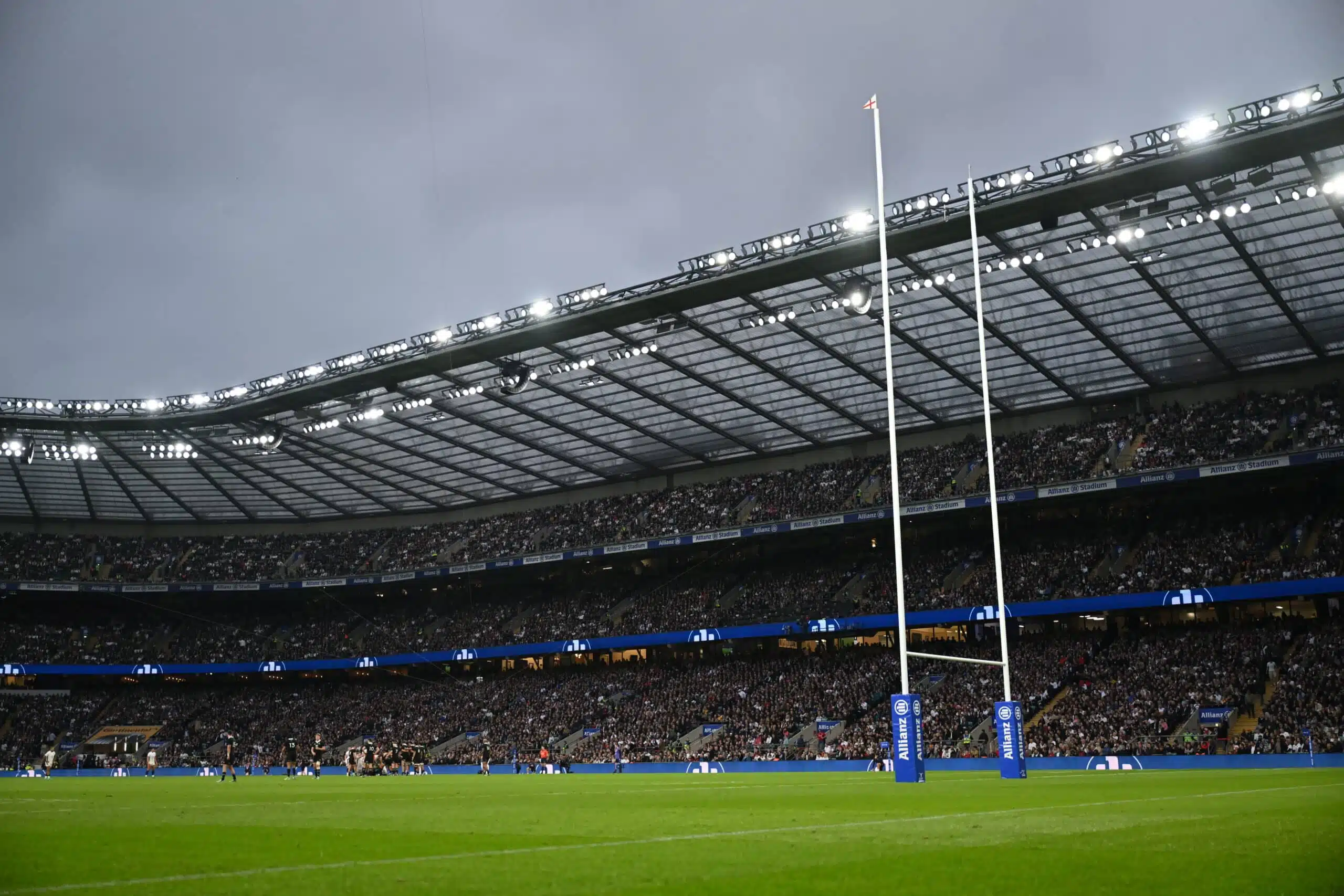
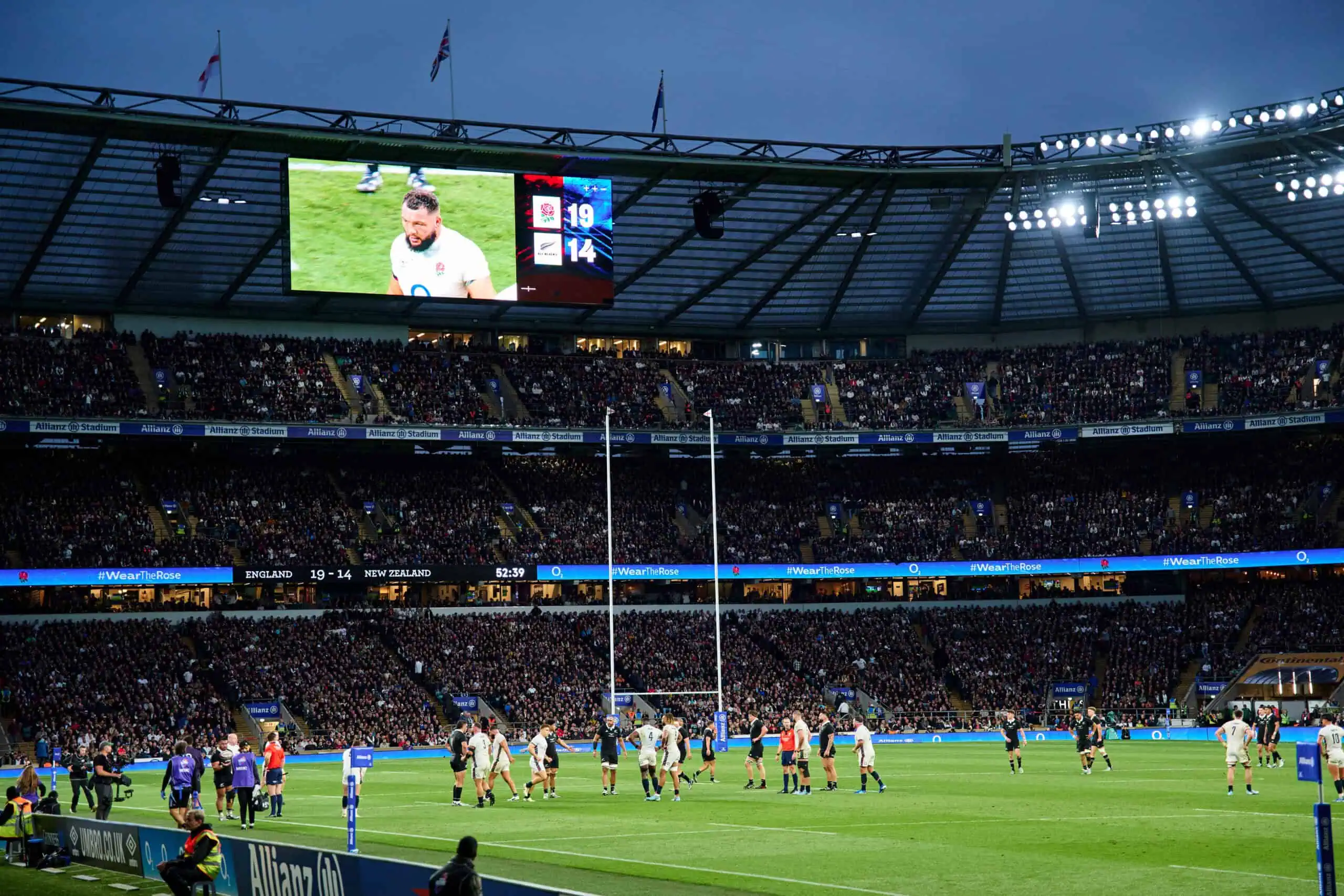
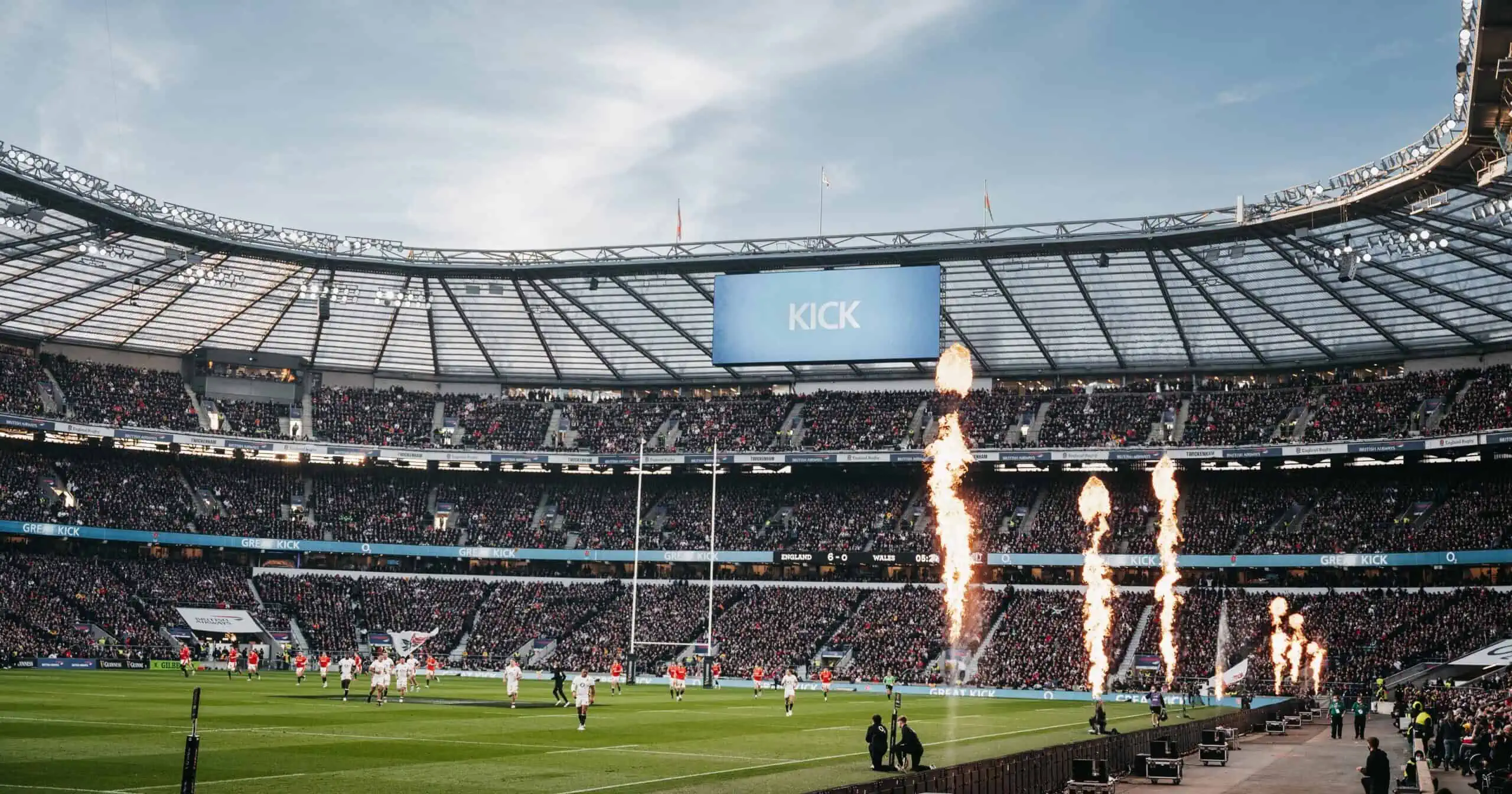
As the largest dedicated rugby stadium in the world, Allianz Stadium provides a fitting stage for England’s Nations Championship home matches. Formerly known as Twickenham, the stadium remains the spiritual home of English rugby and one of the most recognisable venues in global sport.

Nations’ Championship fixtures at Allianz Stadium are expected to attract capacity crowds, particularly when England host southern hemisphere powerhouses such as New Zealand, South Africa or Australia. With over 80,000 seats and a long history of hosting rugby’s biggest occasions, the stadium delivers an atmosphere that matches the scale and significance of the competition.

In addition to its on-field heritage, Allianz Stadium is renowned for its extensive hospitality offerings. A wide range of official lounges, premium suites and dining experiences make it one of the best venues in world rugby for enjoying international matches in comfort and style. For supporters looking to elevate their Nations’ Championship experience, England home fixtures at Allianz Stadium will be among the most sought-after dates on the calendar.

Book ICON for the 2026 Nations Championship now and experience England taking on rugby’s biggest nations in style. From gourmet dining and complimentary bars to unrivalled views of the action, Engage guarantees an unforgettable day of sport and sophistication. 

Principality Stadium – Wales

Few venues in world sport can match the atmosphere of a sold-out Principality Stadium. Located in the heart of Cardiff, the stadium’s retractable roof creates an intense, enclosed environment that amplifies crowd noise and emotion.

Wales’ Nations Championship home matches will benefit from this unique setting, especially when hosting touring giants from the southern hemisphere. The city-centre location also makes the Principality Stadium one of the most accessible and popular venues for travelling supporters, with pre- and post-match atmosphere extending well beyond the stadium itself.

Scottish Gas Murrayfield – Scotland

Murrayfield remains the spiritual home of Scottish rugby and offers one of the most impressive stadium backdrops in international rugby. With views across Edinburgh and a passionate supporter base, Scotland’s home Nations Championship fixtures are set to deliver memorable occasions.

Matches against top-tier opposition will give Scottish supporters the chance to see regular elite competition on home soil, something the Nations Championship has been designed to provide. Murrayfield’s modern facilities also make it well suited to premium matchday experiences.

Aviva Stadium – Ireland

The Aviva Stadium in Dublin has established itself as one of the premier rugby venues in Europe. Its modern design, excellent sightlines and central location make it a standout setting for Ireland’s Nations Championship home matches.

Ireland’s recent success on the international stage means demand for tickets is expected to be extremely high, particularly for fixtures against southern hemisphere opposition. The Aviva’s hospitality offerings and proximity to the city centre create an outstanding overall matchday experience for both domestic and travelling fans.

Hospitality and Premium Experiences at the Nations Championship

With elite teams, iconic venues and global attention, the Nations Championship is perfectly suited to hospitality and premium experiences.

International rugby already carries a sense of occasion. The Nations’ Championship elevates that further by ensuring every match has significance within a global competition. This makes it ideal for corporate hosting, client entertainment and unforgettable sporting weekends.

Official hospitality packages typically include premium seating, access to exclusive lounges, high-quality dining and inclusive drinks. Many experiences also offer pre-match and post-match entertainment, expert analysis and behind-the-scenes insight that standard tickets cannot provide.

For those looking to combine world-class rugby with comfort, service and exclusivity, Nations’ Championship hospitality delivers an exceptional matchday experience.

Why Choose Engage for Nations Championship Hospitality

Engage is a trusted provider of official hospitality packages for the world’s biggest sporting events, including elite international rugby.

By choosing Engage, you gain access to official Nations Championship hospitality, ensuring authenticity, reliability and premium service. Every detail is carefully managed, from tickets and seating to dining, travel and accommodation where required.

Engage specialises in tailored experiences. Whether you are hosting clients, rewarding staff or celebrating a special occasion, packages can be customised to suit your needs.

With extensive experience across global sporting events, Engage offers peace of mind and exceptional service from enquiry to final whistle.

Final Thoughts: A New Era for International Rugby

The Nations Championship represents one of the most important developments in modern rugby. It brings structure, meaning and global connection to the international game while respecting tradition.

For fans, it promises better matches, stronger rivalries and a clearer story each season. For those lucky enough to experience it live, it offers some of the finest sporting occasions rugby has to offer.

With official hospitality packages available through Engage, the Nations Championship can be enjoyed in true premium style. As international rugby enters a new era in 2026, there has never been a better time to be part of it.

The 2026 Guinness Men’s Six Nations Is Just Around The Corner

The northern hemisphere’s most iconic rugby tournament returns this February, with the 2026 Guinness Men’s Six Nations promising six weeks of high-stakes clashes, rivalry renewed and heroes crowned. The Championship gets underway in early February and runs through to mid-March, uniting fans across stadiums and screens as Europe’s top sides vie for glory.  

This year’s tournament carries added intrigue: squads have now been announced, with coaches mixing experience and youth in pursuit of national pride and the elusive Championship title. From England’s pursuit of momentum to France’s defending champion status and Ireland’s renewed campaign, every nation brings strategy and firepower into what’s sure to be an unmissable contest.  

Squad Insights: Experience, Youth & Tactical Depth 

Coaches have mixed seasoned campaigners with dynamic younger talent in 2026, setting up a fascinating balance across the Championship. England’s squad blends leadership and innovation as they aim to build on recent form, while France enters as defending champions keen to retain their crown. Ireland brings a powerful pack and creative backs, and Scotland, Wales and Italy each showcase unique combinations designed to test every opponent across five grueling rounds. 

These selections emphasise tactical adaptability and depth, a key factor in a tournament where injuries and momentum swings often decide title outcomes. 

Key Fixtures 

Here’s a snapshot of England’s fixtures for the Guinness Six Nations: 

These fixtures set up a season of high-intensity rugby, where every match is an opportunity to accumulate crucial points and strengthen England’s Championship ambitions. 

ICON, in Rugby House & England at Allianz Stadium 

For fans looking to elevate their matchday experience, ICON, in Rugby House offers one of the most premium hospitality settings during England’s Guinness Six Nations fixtures at the Allianz Stadium, Twickenham.

ICON, in Rugby House

Engage’s ICON experience brings luxury and rugby passion together. Located at the heart of the Allianz Stadium’s South Stand, just steps from the pitch, ICON provides:

  • Welcome champagne reception and complimentary bar throughout the day
  • Gourmet multi-course lunch with selected wines
  • Official allocated match seats near the hospitality area
  • Guest appearances and Q&A with rugby legends and former internationals
  • Complimentary official match programme and VIP host service

Whether you’re entertaining clients, celebrating with friends or treating family, ICON, in Rugby House delivers a matchday experience as memorable as the action on the pitch.

Allianz Stadium Atmosphere 

Allianz Stadium Twickenham, home of England Rugby, is one of the sport’s most celebrated venues with a capacity of around 82,000, and few atmospheres match the roar of an England crowd during the Guinness Six Nations.  

On matchdays, ICON comes alive with former England captains and international stars offering insight and entertaining commentary, making it a must-visit for passionate supporters and corporate guests alike. 

Looking Ahead: The Nations Championship 

2026 also marks the debut of the Nations Championship, a new global competition featuring twelve of the world’s top rugby nations, including the Guinness Six Nations sides and leading southern hemisphere teams, running from July to November. This innovative tournament expands international test rugby and brings cross-hemisphere rivalries to life. 

England’s Nations Championship Fixtures 

Summer Series (July 2026): 

  • South Africa vs England – 4 July 2026 
  • Fiji vs England – 11 July 2026 
  • Argentina vs England – 18 July 2026  

Northern Series (November 2026):

Book ICON for the 2026 Nations Championship now and experience England taking on rugby’s biggest nations in style. From gourmet dining and complimentary bars to unrivalled views of the action, Engage guarantees an unforgettable day of sport and sophistication. 

Why 2026 Is a Must-Watch Year for Rugby Fans 

From Guinness Men’s Six Nations rivalries to global clashes in the Nations Championship, 2026 is shaping up as one of the most compelling seasons of international rugby in years. Whether you’re cheering in stadiums, hosting guests in ICON or following England’s journey across hemispheres, this year is all about world-class rugby moments you’ll want to be part of. 

England Rugby Round-Up: Quilter Nations Series Review & Six Nations Preview 

England wrapped up an impressive autumn with a clean sweep in the 2025 Quilter Nations Series, winning all four fixtures against Australia, Fiji, New Zealand and Argentina. The November block offered England a valuable opportunity to build cohesion, test combinations and measure themselves against a wide variety of styles heading into a crucial Six Nations campaign. Here’s a round-up of each match, and what the results might mean for the months ahead. 

England 25–7 Australia – A Confident Start 

England opened the series with a highly composed 25–7 victory over Australia on 1 November 2025. The performance showcased England’s organisation and discipline, particularly in defence, where they restricted the Wallabies to a single try. Their control at the set-piece and accuracy off the tee allowed them to build scoreboard pressure throughout the match. 

It was a strong foundation on which to begin the series, signalling a team comfortable with its systems and increasingly poised under Steve Borthwick’s guidance. 

England 38–18 Fiji – Power and Precision 

A week later, England continued their momentum with a 38–18 win over Fiji. The match demonstrated England’s ability to manage a side known for its flair and physicality. Strong set-piece execution and tactical kicking ensured England controlled territory and tempo, gradually pulling away on the scoreboard. 

While Fiji posed threats with their trademark offloads and broken-field running, England’s structure held firm, and their second-half composure ensured a comfortable margin of victory. 

England 33–19 New Zealand – A Landmark Victory 

One of the standout results of the entire autumn campaign came on 15 November, as England defeated New Zealand 33–19. Any victory over the All Blacks is significant, and England delivered a disciplined, intelligent display to secure it. It marked England’s first victory over New Zealand at Twickenham since 2012, and their only triumph against the All Blacks since the 2019 World Cup.

England were excellent defensively and effective in transition, capitalising on pressure moments while limiting New Zealand’s scoring opportunities. The win continued to build belief within the squad and provided one of the clearest signs yet of England’s progress under Borthwick. 

England 27–23 Argentina – A Hard-Fought Finish 

England closed the series on 23 November with a 27–23 victory over Argentina. In a competitive match shaped by physical battles and momentum swings, England’s game management proved decisive. Their kicking strategy, improved discipline and control of key phases allowed them to maintain a narrow but consistent lead. 

The Pumas pushed hard in the closing stages, but England handled the pressure well to complete an unbeaten autumn, a strong statement heading into 2026. 

Looking Ahead to the Six Nations 

With a perfect return from the Quilter Nations Series, England now shift their focus to the 2026 Six Nations Championship. The autumn window offered promising signs: improved defensive organisation, solid set-piece accuracy and a squad increasingly comfortable with its identity. 

However, the Six Nations presents a different type of challenge. Matches come in rapid succession, atmospheres are intense, and the tactical demands vary sharply from week to week.  With confidence rising and combinations strengthening, England enter the tournament in one of their most promising positions in recent years. 

Book ICON for the 2026 Six Nations now and experience England taking on rugby’s biggest nations in style. From gourmet dining and complimentary bars to unrivalled views of the action, Engage guarantees an unforgettable day of sport and sophistication. 

How England Compare to Their Rivals 

Ireland continue to set the standard in European rugby. Their structure, accuracy and depth have made them the benchmark across recent Six Nations cycles. A trip to Dublin always represents one of the toughest tasks in the championship, and England will need a complete performance to challenge them. 

France, meanwhile, remain unpredictable but dangerous. Their blend of athleticism, creativity and home support makes them a genuine contender every year. England will be wary of their ability to produce moments of brilliance, particularly in the tightest matches. 

Scotland have built a resilient and attack-minded side capable of troubling any opponent, especially at Murrayfield. Wales are in a phase of transition but remain tactically astute and highly competitive in Cardiff. 

Against this backdrop, England’s unbeaten autumn is an encouraging sign. While they may not enter the Six Nations as outright favourites, they have shown enough progress to believe they can challenge for the title, and perhaps push Ireland and France closer than in recent years. If they can combine their autumn composure with sustained attacking variety, England could be one of the major stories of the 2026 championship.

2025 Quilter Nations Series Build-Up  

As the rugby calendar heads into another thrilling international window, the 2025 Quilter Nations Series is set to deliver world-class clashes between the game’s top sides. With the 2026 Six Nations just months away, this year’s autumn internationals will be a key testing ground for coaches, captains, and debutants alike. From tactical fine-tuning to squad experimentation, rugby fans can expect fireworks as national teams step up their preparations for the season ahead. 

Here at Engage Hospitality, we take a closer look at what to expect from the Quilter Nations Series, including England’s progress, the international stars to watch, and all the fixtures coming up at Allianz Stadium as part of the Quilter Nations matches. 

England Rugby: Building Momentum for 2026  

After a mixed 2025 Six Nations, England will use this series as a vital testing ground. Head coach Steve Borthwick continues to blend experience with new energy, retaining core leaders like Jamie George, Maro Itoje, and George Ford, while integrating rising talents such as Fin Smith and Immanuel Feyi-Waboso. 

This balance of youth and experience could prove pivotal as England sharpen their attack and rediscover rhythm on home soil. With world champions South Africa and the ever-dangerous New Zealand visiting London, every fixture will test their progress under pressure.  

International Stars to Watch 

The Quilter Nations Series never fails to deliver standout performances from the sport’s biggest names. Here are a few players set to light up the pitch this autumn: 

  • Antoine Dupont (France) – The mercurial scrum-half and fan favourite continues to redefine attacking rugby. 
  • Ardie Savea (New Zealand) – Explosive and relentless, the All Blacks No.8 is always a highlight. 
  • Damian Penaud (France) – Expect tries, flair, and fireworks whenever he’s on the ball. 
  • Bundee Aki (Ireland) – The centre’s strength and consistency make him a key component of Ireland’s structure. 
  • Eben Etzebeth (South Africa) – The Springbok lock brings unmatched power and leadership to every contest. 

With so much star quality on display, the Quilter Nations Series 2025 is shaping up to be one of the most exciting editions yet. 

Allianz Stadium Fixtures – Quilter Nations Fixtures

Rugby fans can look forward to a thrilling series of Quilter Nations fixtures at Allianz Stadium, featuring England in action against some of the world’s top sides. 

Confirmed Fixtures: 

England v Australia – Saturday 1st November, 2025 

England v Fiji – Saturday 8th November, 2025 

England v New Zealand – Saturday 15th November, 2025 

England v Argentina – Sunday 23rd November, 2025 

Experience the Quilter Nations Series with Engage

Want to enjoy international rugby in luxury? Engage Hospitality offers premium packages for the Quilter Nations Series at Allianz Stadium, combining the best seats in the house with exquisite food, fine wines, and exclusive entertainment. 

From gourmet dining and complimentary bars to unrivalled views of the action, Engage guarantees an unforgettable day of sport and sophistication. 

Book ICON for the Quilter Nations Series now and experience England taking on rugby’s biggest nations in style. 

How Teams Are Preparing for the 2026 Six Nations 

While silverware is on the line, for most teams, the Quilter Nations Series is about preparation and progression. 

  • England will look to refine their attacking tempo and breakdown efficiency. 
  • France aim to rediscover their flair and consistency after a turbulent year. 
  • Ireland focus on maintaining their possession-based game. 
  • Scotland and Wales target rebuilding confidence with fresh combinations and depth. 

With every side balancing experimentation and performance, the Series is a true preview of what’s to come in the Six Nations 2026. 

“Nations Championship” – the exciting, new international franchise competition launched by World Rugby 

World Rugby is revolutionising the calendar again, with the launch of an international competition, provisionally titled The Nations Championship, set to debut in 2026, featuring around 200 of the world’s top players. Sporting a fresh format that blends the best of northern and southern hemisphere rugby, this event promises to elevate global engagement and deliver year-round excitement for fans. 

What is it? 

The Nations Championship is a biennial international competition spotlighting the planet’s elite rugby nations. The top division will include 12 teams: the Guinness Six Nations (England, France, Ireland, Italy, Scotland, Wales), the Rugby Championship quartet (Australia, New Zealand, South Africa, Argentina), plus two invited teams (most likely Japan and Fiji). 

These teams will be grouped into two continental‑based conferences: 

  • Europe Conference: The Guinness Six Nations sides 
  • Rest of World Conference: SANZAAR nations plus the two invitees 

Each team will face all six opponents from the opposite conference, three matches in July, held in the Southern Hemisphere, and the reverse fixtures in November, hosted in the Northern Hemisphere. 

The competition comes to an end with a Grand Final, pitting the top teams from each conference against each other at the end of the November window. 

Accompanying the premier division will be a second division of 12 teams, featuring the sides that qualify through the 2027 Rugby World Cup qualification process. This setup introduces promotion and relegation from the third edition in 2030, underpinning a more competitive and merit-based structure. 

When and where will it take place? 

The Nations Championship is scheduled to launch in 2026, with matches played during traditional Test windows, July for southern venues (e.g., Australia, South Africa) and November for northern ones (e.g., Europe). 

Media reports suggest some fixtures, for example, France, Italy, and Ireland visiting Australia, may be part of the inaugural edition next July, with the Grand Final being hosted in London. 

With its launch timed for non‑World Cup and non‑British & Irish Lions years (like 2026), the Nations Championship offers continuity and competitive clarity in the international calendar. 

England’s Nations Championship 2026 Fixtures:

What teams will be involved? 

Championship (Top Division): 

  • Six Nations: England, France, Ireland, Italy, Scotland, Wales 
  • Rugby Championship: Argentina, Australia, New Zealand, South Africa 
  • Invited teams: Japan and Fiji. 

Second Division: 

Twelve teams, comprising those qualifying through the 2027 Rugby World Cup process, with promotion and relegation from 2030 onward. 

Why It Matters 

The Nations Championship represents a significant turning point in global rugby. As World Rugby chair contender Brett Robinson remarked, it brings promotion, relegation, and much-needed opportunity to second‑tier nations, elements that have long been missing at the elite level. 

Further, this structure doubles high-quality Matchups in non-tournament years, reinforcing rugby’s international appeal and delivering “50 % guaranteed more crossover fixtures”. 

While some smaller unions have voiced concerns about being sidelined, World Rugby argues the Nations Championship will enrich rather than restrict global opportunities, an assertion backed by the expanded second division and structured progression. 

British and Irish Lions roar in thrilling Test win against Australia 

Just like major tournaments, the British and Irish Lions tour comes around once every four years and their latest tour saw them head down under to Australia. Once again, it came and went far too quickly. However, the good news is the Lions came home as winners. 

The tour finished on a bit of a downer as Australia ran out winners in a storm-disrupted final Test on Saturday. But the Lions ultimately won the series 2-1, having won all of their invitational matches as well. 

Ireland coach Andy Farrell was in charge of the Lions for the tour, picking the best English, Irish, Scottish and Welsh players to take on Australia for the 2025 edition. The tour started at the end of June, lasting just over a month. The Lions played matches against Australia’s four Super Rugby franchises, as well as matches against a team made up of players from Australia and New Zealand, plus players of First Nation and Pasifika origin. 

The main event of the tour was a three-match Test series against old foes Australia, who they last played back in 2013. Just like the last meeting 12 years ago, the Lions ran out 2-1 winners this time. Farrell’s side won the first two Tests before losing the finale over the weekend. 

The story of the tour 

Having won their invitational matches fairly convincingly, the Lions went into the first Test against Australia full of confidence. And they carried on that momentum immediately, with Sion Tuipulotu’s try giving them a lead in the eighth minute. 

And while Australia didn’t make things easy, the Lions ultimately came out on top. Further tries from Tom Curry and Dan Sheehan kept them ahead as they started the Test series with a 27-19 triumph in Brisbane. 

The second Test was considerably closer as both sides scored three tries in a thrilling first half. In a cagey affair in front of 90,000 fans at Melbourne Cricket Ground, Australia looked to be on their way to levelling the series. 

Yet Irish fullback Hugo Keenan had other ideas. The Lions hadn’t won the first two Tests of a series since 1997 but that stat was put to bed by Keenan, who went over to score a dramatic winning try in the 79th minute to secure a thrilling 29-26 victory. 

The final game of the series took place in Sydney on Saturday yet, unlike the opening two, it didn’t quite live up to expectations. The Lions never really got going and weren’t able manage to get on the scoresheet until the second half – although the match was bizarrely disrupted by storms in the area. 

Due to torrential rain and lightning during the second half, the players were forced to leave the field for 40 minutes before it was safe enough to resume play. The match was a bit more even following the break but the Lions struggled to get enough momentum to topple the Aussies, who held on to win 22-12 and avoid a series whitewash. 

Join us for the 2025 Quilter Nations Series 

It’ll be another four years before the best British and Irish players reunite again for another Lions tour. However, they’re all set to compete individually for their nations later this year for the 2025 Quilter Nations Series. 

The annual series sees the best sides from the southern hemisphere flock to Europe to take on their rivals from the northern hemisphere. England failed to impress last year, losing three of their four games, and they’ll be hoping to make amends this time around. 

Steve Borthwick’s side take on Australia, Fiji, New Zealand and Argentina and if you fancy enjoying the action from the best seats in the house, why not join us by making the most of our exclusive hospitality packages? 

You’ll be able to enjoy the action from premium reserved seats at the Allianz Stadium, as well as all this: 

  • Exclusive official hospitality facility within the South Stand 
  • Welcome champagne reception 
  • Complimentary bar throughout the day 
  • Superb four-course lunch with selected wines 
  • Guest appearances and meet and greets with rugby legends 
  • Complimentary programme 
  • VIP host service throughout the day 

2025 Quilter Nations Series matches 

England v Australia – Saturday 1st November, Allianz Stadium 

England v Fiji – Saturday 8th November, Allianz Stadium 

England v New Zealand – Saturday 15th November, Allianz Stadium 

England v Argentina – Sunday 23rd November, Allianz Stadium 

int(174)